
If you’ve ever noticed a strong ammonia-like smell coming from your underwear, you’re definitely not alone. Many people experience this issue occasionally and wonder: why does my underwear smell like ammonia?
An ammonia odor in underwear is usually linked to sweat, urine residue, dehydration, bacteria buildup, or fabric-related issues. In most cases, the smell is harmless and can be solved with better hydration, hygiene habits, and breathable clothing materials. However, persistent or unusually strong odors can sometimes signal an underlying health concern worth paying attention to.
In this guide, we’ll break down the most common causes of ammonia-smelling underwear, explain when it might be a concern, and share practical tips for staying fresh and comfortable throughout the day.
Why Does My Underwear Smell Like Ammonia? 5 Primary Causes
1. Sweat and Body Chemistry
Sweat itself is mostly odorless, but when it mixes with bacteria on the skin, it can create strong smells. During intense exercise, hot weather, or long hours in tight clothing, sweat may break down into compounds that resemble ammonia.
This is especially common in athletic wear and synthetic fabrics that trap moisture.
2. Dehydration
One of the most common reasons for an ammonia smell is concentrated urine caused by dehydration. When your body lacks enough water, urine becomes darker and more concentrated, producing a stronger ammonia-like odor.
Small traces of urine left in underwear can make the smell more noticeable throughout the day.
3. Diet and High Protein Intake
A high-protein diet may also contribute to ammonia odors. When the body breaks down excess protein, nitrogen waste is produced, which can sometimes create stronger-smelling sweat or urine.
People following fitness-focused diets or ketogenic eating plans may notice this effect more often.
4. Bacteria Buildup in Fabric
Underwear that isn’t washed thoroughly or remains damp for long periods can trap bacteria and odors. Synthetic fabrics are particularly likely to retain smells even after washing.
Over time, bacteria buildup in the fibers may create lingering ammonia-like odors.
Can Certain Fabrics Make Odors Worse?
Yes — fabric choice can significantly affect odor retention.
Materials that don’t breathe well tend to trap sweat and moisture, creating an environment where bacteria can thrive. Breathable fabrics like cotton are often better at promoting airflow and reducing moisture buildup.
Moisture-wicking fabrics designed for sports can also help, but they need proper washing to prevent trapped odors.
Choosing high-quality underwear with soft, breathable materials can make a noticeable difference in overall comfort and freshness.
When Should You Be Concerned?
Most cases of ammonia odor are harmless and temporary. However, you may want to consult a healthcare professional if the smell is accompanied by:
- Burning during urination
- Unusual discharge
- Persistent strong odor
- Pain or irritation
- Changes in urine color
- Fever or discomfort
These symptoms could indicate a urinary tract infection (UTI), bacterial imbalance, or another medical issue.
Tips to Prevent Underwear Odor
Stay Hydrated
Drinking more water is one of the simplest ways to reduce strong urine odors. Proper hydration helps dilute waste products and keeps urine lighter and less concentrated.
Wash Underwear Properly
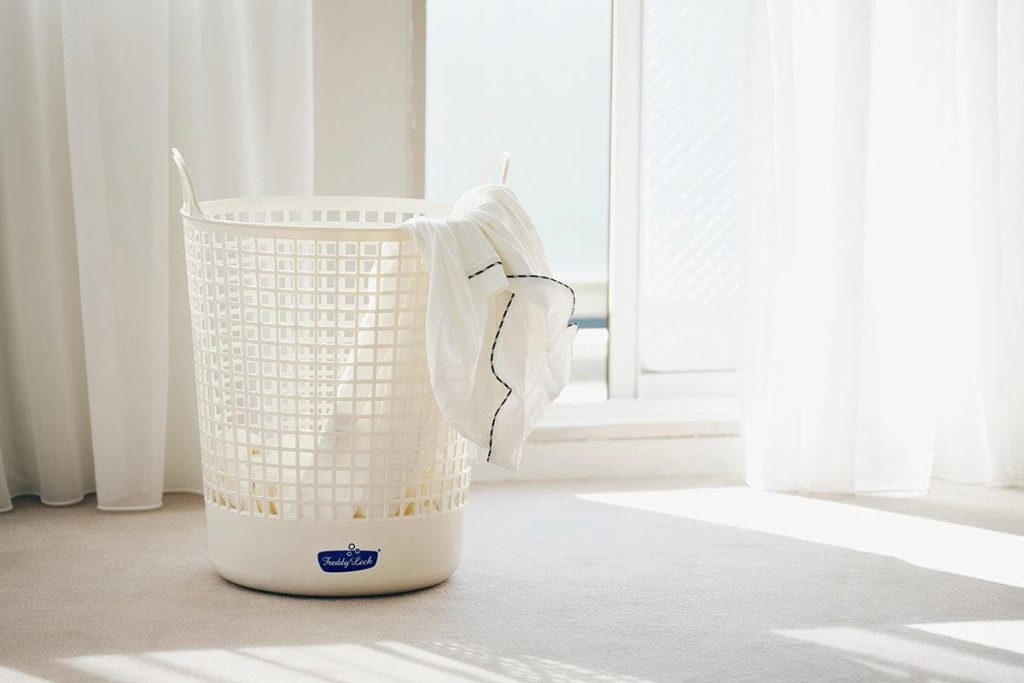
Use warm water and a quality detergent to fully remove bacteria and sweat residue. Avoid leaving damp laundry sitting too long in washing machines or baskets.
Change Underwear Daily
Fresh underwear every day helps minimize bacterial buildup and moisture retention.
Choose Breathable Fabrics
Cotton and moisture-wicking materials can improve airflow and reduce odor throughout the day.
Avoid Overly Tight Clothing
Tight pants and synthetic fabrics may trap heat and moisture, increasing the chance of strong odors.
The Importance of Comfortable, Breathable Underwear
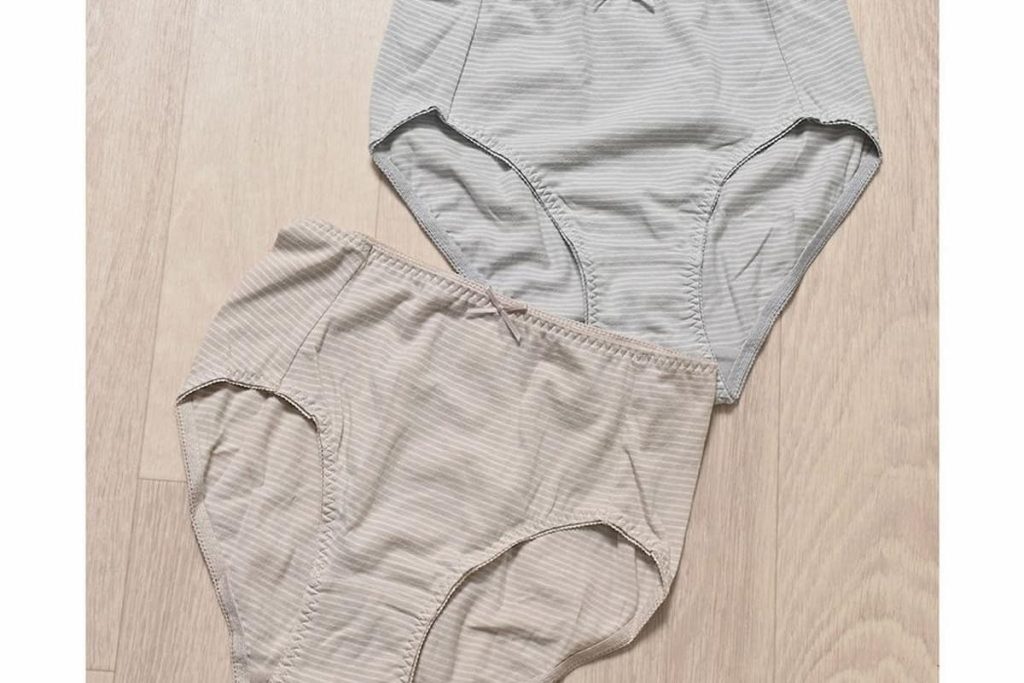
Today, many people are becoming more aware of how fabric quality and fit affect daily comfort and hygiene. Comfortable underwear isn’t just about style — it also plays a role in breathability, moisture control, and skin health.
Brands focused on high-quality intimate wear often prioritize soft materials, supportive designs, and all-day comfort. One well-known example is Triumph, a global brand recognized for lingerie and everyday essentials designed with comfort and wearability in mind. Their collections include breathable fabrics and modern fits that help support daily freshness while maintaining a stylish look.
Investing in better-quality underwear can improve not only comfort but also confidence and overall hygiene habits.
How to Remove Lingering Ammonia Smells from Underwear

If odors remain even after washing, try these tips:
- Wash with white vinegar or baking soda occasionally
- Use antibacterial laundry detergents
- Avoid excessive fabric softener buildup
- Dry underwear completely before storing
- Replace old underwear that permanently retains odors
Sometimes older synthetic fabrics simply hold onto bacteria and smells more easily over time.
So, why does your underwear smell like ammonia? In most cases, the cause is related to sweat, dehydration, concentrated urine, bacteria, or fabric choice. Fortunately, simple lifestyle adjustments — including better hydration, improved hygiene, and breathable underwear — can usually solve the issue.
Paying attention to fabric quality and comfort also makes a difference. Choosing supportive, breathable intimate wear from trusted brands like Triumph Official Store can help you stay fresher and more comfortable throughout the day.
While occasional odors are normal, persistent symptoms or discomfort should always be checked by a healthcare professional to rule out underlying medical conditions.